


Mobility training has become an essential component of athletic routines. It focuses on enhancing the range of motion, flexibility, and overall functional movement of the body. Unlike traditional stretching, which primarily targets muscle lengthening, mobility training works on joint flexibility and stability, ensuring that you can move freely and efficiently without discomfort or risk of injury.
Incorporating mobility training into your fitness regimen can significantly improve your athletic performance. It allows you to engage in a broader array of movements with ease, helping you execute exercises more effectively. This training goes beyond the superficial muscle stretch, targeting deep tissues, joints, and tendons to enhance overall movement patterns. In some rehabilitation settings, electrotherapy may also be used alongside mobility training to help manage pain and support recovery, enabling more effective movement and exercise participation.
The importance of mobility training lies in its ability to prepare your body for a variety of physical demands. Whether you are engaged in weightlifting, running, or any sport, having a strong foundation of mobility can prevent injuries by ensuring that your body can handle unexpected strains and movements. It’s a proactive approach to health that keeps you active and resilient.
The Science Behind Mobility Training

The effectiveness of mobility training is rooted in its scientific approach to human movement. It focuses on joint mechanics, ensuring that each joint can move through its full range of motion without restriction. This is achieved through dynamic movements and exercises that mimic real-life actions, helping to build strength and flexibility simultaneously. Principles of neurodynamics can also play a role in optimizing movement by addressing the mobility and function of the nervous system alongside the musculoskeletal system.
Mobility training engages the neuromuscular system, which is responsible for coordinating movement and balance. By improving neuromuscular efficiency, mobility exercises enhance your body’s ability to control movement, leading to better balance and reduced risk of injury. This is crucial for athletes who require precise and controlled movements in their sports.
Recent studies have demonstrated that mobility training can lead to improved performance metrics such as speed, agility, and power. By enhancing joint function and flexibility, athletes can generate more force and execute movements with greater efficiency. This scientific backing underscores the value of mobility training as a cornerstone of modern athletic preparation, a principle often emphasized by a chiropractor in Islamabad and other movement-focused healthcare professionals.
Common Sports Injuries and How Mobility Training Helps Prevent Them
Sports injuries are an unfortunate reality for many athletes, ranging from sprains and strains to more severe conditions like ligament tears and joint injuries. These injuries often occur due to inadequate flexibility or improper movement mechanics, both of which can be addressed through mobility training. In some cases, severe injuries or surgical procedures may leave lasting scars, leading some individuals to explore scar revision treatments as part of their overall recovery and rehabilitation journey.
One of the most common injuries in sports is the ankle sprain, which often results from poor mobility and instability in the lower body. Mobility exercises can strengthen the supporting muscles and improve balance, reducing the likelihood of such injuries. Similarly, knee injuries, such as ACL tears, can be mitigated by enhancing the flexibility and strength of the surrounding muscles and tendons.
Shoulder injuries are another prevalent issue, particularly in sports that involve overhead movements. Mobility training can improve shoulder joint function, increasing stability and reducing the risk of rotator cuff injuries. By prioritizing mobility, you can create a solid foundation that supports all aspects of your physical activity, significantly lowering the chances of injury.
Key Benefits of Incorporating Mobility Training into Athletic Routines
The integration of mobility training into your athletic routine offers numerous benefits that extend beyond injury prevention. Firstly, it leads to improved performance by allowing for smoother and more efficient movement patterns. With enhanced mobility, you can perform exercises with better form, increasing the effectiveness and safety of your workouts.

Another significant benefit is the reduction of muscle soreness and recovery time. Mobility exercises promote blood flow and circulation, helping to reduce lactic acid buildup and accelerate the recovery process. This means you can train more frequently without the prolonged downtime associated with muscle fatigue and soreness.
Moreover, mobility training enhances mental focus and body awareness. As you engage in deliberate movements, you develop a stronger connection between your mind and body, improving coordination and concentration. This heightened awareness can translate into better performance on the field or in the gym, giving you a competitive edge.
Mobility Training Techniques and Exercises
There are various techniques and exercises within mobility training that you can incorporate into your routine. Some of the most effective include dynamic stretching, foam rolling, and proprioceptive neuromuscular facilitation (PNF) stretching.
- Dynamic Stretching: This involves active movements that take your joints through their full range of motion. Examples include leg swings, arm circles, and hip openers, which can be performed as part of your warm-up routine to prepare your body for exercise.
- Foam Rolling: Also known as self-myofascial release, foam rolling helps to break down muscle knots and improve tissue quality. By targeting specific muscle groups, you can enhance flexibility and reduce the risk of injury.
- PNF Stretching: This advanced form of stretching involves a combination of passive and active stretching techniques, often performed with a partner. PNF stretching can significantly improve flexibility and range of motion when done correctly.
By incorporating these techniques into your routine, you can improve your overall mobility and prepare your body for any physical challenge.
Designing a Mobility Training Program for Athletes
Creating a successful mobility training program requires careful planning and consideration of your specific needs and goals. Start by assessing your current level of mobility and identifying areas that require improvement. This can be done through simple tests, such as checking your range of motion in key joints.
Once you have identified your areas of focus, you can design a program that targets these specific needs. A balanced mobility program should include a mix of exercises that address flexibility, strength, and stability. It’s essential to vary your routine to prevent adaptation and ensure continuous improvement.
Consistency is key to seeing results from mobility training. Aim to incorporate mobility exercises into your routine at least 3-4 times per week. This will help you build and maintain the flexibility and joint health necessary to prevent injuries and enhance performance.

Mobility Training vs. Traditional Stretching: What’s the Difference?
While mobility training and traditional stretching may seem similar, they serve different purposes and offer distinct benefits. Traditional stretching focuses primarily on lengthening muscles to improve flexibility, often through static holds. This can be beneficial for increasing muscle elasticity but doesn’t address joint function or stability.
In contrast, mobility training encompasses a broader approach, targeting not only the muscles but also the joints, tendons, and connective tissues. This holistic approach ensures that your body can move through its full range of motion without restriction, improving both flexibility and functional strength.
Mobility training also emphasizes active movement and control, which are crucial for athletic performance. By training your body to move efficiently and with control, you can enhance your overall movement quality and reduce the risk of injury. Understanding these differences can help you choose the right approach for your fitness goals.
The Future of Mobility Training in Sports
As the importance of mobility training becomes more widely recognized, its role in sports is set to grow significantly. The increasing demand for athletes to perform at their peak has led to a greater focus on injury prevention and overall movement quality, both of which are addressed through mobility training.
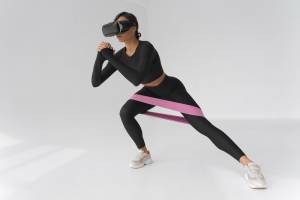
In the future, we can expect to see more innovative techniques and tools that enhance mobility training. Technology, such as wearable devices and virtual reality, may play a role in providing real-time feedback and personalized training plans. These advancements will make mobility training more accessible and effective for athletes of all levels.
Furthermore, as research continues to highlight the benefits of mobility training, it will likely become a standard component of athletic programs across various sports. This shift towards a more holistic approach to training will not only improve performance but also promote long-term health and well-being for athletes.
Conclusion: Embracing Mobility Training for Optimal Performance
Incorporating mobility training into your athletic routine is a game changer for injury prevention and performance enhancement. By focusing on improving joint function, flexibility, and movement efficiency, you can prepare your body to handle the demands of any sport or physical activity.
Whether you are a professional athlete or a fitness enthusiast, embracing mobility training can lead to significant improvements in your overall fitness and well-being. It is a proactive approach that helps you stay active, healthy, and injury-free.