


Heel pain is a common issue that can affect anyone, impacting daily activities and overall well-being. The discomfort often stems from various underlying conditions such as plantar fasciitis, Achilles tendonitis, or heel spurs. Understanding the root cause of your heel pain is crucial for effective treatment and prevention.
Plantar fasciitis, one of the most prevalent causes of heel pain, occurs when the plantar fascia—a thick band of tissue running across the bottom of your foot—becomes inflamed. This inflammation typically results from repetitive strain. On the other hand, Achilles tendonitis involves inflammation of the Achilles tendon, usually due to overuse or sudden increases in activity levels. Recognizing these conditions early can help in choosing the right rehabilitation path, which may include approaches such as orthopedic manual therapy to improve mobility and reduce pain.
Heel spurs, while often painless, can cause significant discomfort if they irritate surrounding tissues. These calcium deposits form on the underside of the heel bone and are usually associated with plantar fasciitis. Identifying whether heel spurs contribute to your pain can guide targeted treatment approaches. Understanding these causes allows you to tailor your rehabilitation efforts effectively.
Importance of Rehabilitation for Heel Support
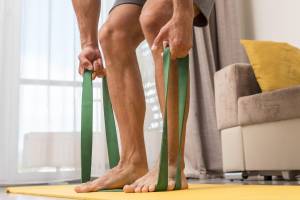
Rehabilitation plays a pivotal role in alleviating heel pain and preventing future injuries. By focusing on strengthening and flexibility exercises, and incorporating treatments such as electrotherapy when appropriate, you can enhance the stability of your foot and minimize stress on the heel. Consistent rehabilitation efforts not only alleviate current discomfort but also offer long-term benefits.
Strengthening exercises target the muscles and tendons around the heel, providing better support to the affected area. These exercises help redistribute pressure across the foot, reducing strain on the heel itself. Flexibility exercises, on the other hand, ensure that the muscles and tendons remain supple, preventing stiffness and promoting a full range of motion.
Incorporating rehabilitation into your daily routine can significantly expedite recovery. It fosters a holistic approach that addresses both the symptoms and the underlying causes of heel pain. By committing to a structured rehabilitation program, ideally under the guidance of a physiotherapist in Islamabad, you not only improve heel support but also enhance your overall foot health..
Effective Rehabilitation Exercises for Heel Pain
Engaging in specific exercises can substantially reduce heel pain and improve your overall foot health. Here are some targeted exercises to incorporate into your rehabilitation routine:
- Calf Stretches: Stand against a wall, place your hands on it, and step one foot back, keeping it straight. Bend the front knee and lean forward, stretching the calf muscle of the back leg. Hold for 15-30 seconds and switch legs. This stretch alleviates tension in the Achilles tendon and the plantar fascia.
- Towel Scrunches: While sitting, place a towel on the floor and use your toes to scrunch it towards you. This exercise strengthens the muscles in your feet and improves their flexibility. Aim for 10-15 repetitions per foot.
- Toe Curls with Resistance Bands: Wrap a resistance band around your toes and curl them towards you. This movement strengthens the small muscles in your foot, providing better arch support.
Consistency is key when performing these exercises. Aim to integrate them into your daily routine, gradually increasing intensity as your heel pain subsides. By regularly engaging in these exercises, you not only address the immediate discomfort but also build resilience in your foot structure.
Best Practices for Heel Care and Support
Caring for your heels goes beyond exercises; it involves adopting a comprehensive approach that includes proper rest and support. Here are some best practices to enhance heel care:
- Rest and Ice: Give your heels ample time to recover by resting and applying ice packs to reduce inflammation. Elevating your feet can also help decrease swelling and alleviate pain.
- Orthotic Inserts: Consider using orthotic inserts in your shoes to provide additional support and cushioning. These inserts can help distribute pressure evenly and reduce strain on the heel.
- Footwear Choices: Opt for shoes that offer adequate arch support and cushioning. Avoid high heels and footwear that lack proper support, as they can exacerbate heel pain.

Implementing these practices consistently will significantly contribute to your heel’s recovery and overall health. By prioritizing heel care, you create a supportive environment that fosters healing and minimizes the risk of future injuries.
Lifestyle Changes to Aid Heel Recovery
In addition to targeted exercises and heel care, certain lifestyle changes can expedite your recovery process. Adopting these habits can lead to substantial improvements in heel health:
- Weight Management: Excess body weight can increase the strain on your heels. Maintaining a healthy weight alleviates pressure on your feet, reducing pain and preventing future issues.
- Activity Modification: Adjust your physical activities to avoid repetitive stress on your heels. Incorporate low-impact exercises such as swimming or cycling to maintain fitness without exacerbating pain.
- Regular Foot Assessments: Periodically evaluate your foot health and monitor any changes in pain or discomfort. Early detection of potential issues allows for prompt intervention and prevents long-term complications.
These lifestyle adjustments, coupled with rehabilitation exercises, create a holistic approach to heel recovery. By addressing both the physical and lifestyle factors, you can achieve lasting improvements in heel health.
The Role of Footwear in Heel Health
Footwear plays a crucial role in maintaining heel health and supporting recovery. The right shoes can alleviate pain, prevent further damage, and enhance overall comfort. Here are some tips for selecting appropriate footwear:
- Arch Support: Choose shoes with good arch support to prevent excessive strain on the plantar fascia and Achilles tendon. Proper arch support distributes pressure evenly across the foot.
- Cushioning: Opt for shoes with ample cushioning to absorb shock and reduce impact on the heel. Look for footwear with padded insoles or consider adding gel inserts for extra comfort.
- Heel Stability: Ensure your shoes offer stability at the heel to prevent unnecessary movement and provide a secure fit. A firm heel counter can help maintain proper alignment and support.
Investing in quality footwear is a proactive step towards maintaining heel health and preventing future discomfort. By prioritizing supportive shoes, you create a foundation for long-term heel support.
Nutrition and Its Impact on Heel Recovery
Your diet significantly influences the healing process and overall foot health. Consuming the right nutrients can expedite recovery and strengthen the structures supporting your heel. Here are some nutritional considerations:

- Calcium and Vitamin D: These nutrients are essential for bone health. Incorporate dairy products, leafy greens, and fortified foods to ensure adequate intake.
- Omega-3 Fatty Acids: Found in fish, flaxseeds, and walnuts, omega-3 fatty acids have anti-inflammatory properties that can reduce heel pain.
- Protein: Essential for tissue repair, protein can aid in the recovery process. Include lean meats, legumes, and nuts in your diet to promote healing.
Maintaining a balanced diet that includes these nutrients supports your overall health and enhances your body’s ability to recover from heel pain. By focusing on nutrition, you can complement your rehabilitation efforts effectively.
When to Seek Professional Help for Heel Pain
While many cases of heel pain can be managed with home care and rehabilitation, certain situations warrant professional intervention. Recognizing when to seek help is crucial for effective treatment:
- Persistent Pain: If your heel pain persists despite consistent rehabilitation efforts, consult a healthcare professional for a comprehensive evaluation.
- Severe Symptoms: Sudden or severe pain, swelling, or inability to bear weight may indicate a more serious issue that requires medical attention.
- Recurring Issues: Recurring heel pain can suggest an underlying condition that needs further investigation and targeted treatment.
Consulting a professional ensures you receive a tailored treatment plan that addresses your specific needs. Early intervention can prevent complications and facilitate a faster recovery.
Long-Term Strategies for Maintaining Heel Health
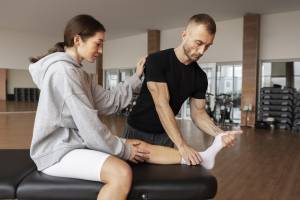
To sustain heel health and prevent future discomfort, implementing long-term strategies is essential. Here are some recommendations for ongoing care:
- Consistent Exercises: Continue performing foot and ankle exercises regularly to maintain strength and flexibility. Consistency in your routine prevents muscle imbalances and supports overall foot health.
- Regular Check-ups: Schedule periodic check-ups with a podiatrist or healthcare provider to monitor your foot health and address any emerging issues promptly.
- Mindful Activity Changes: Be mindful of changes in your physical activities, ensuring they align with your heel health goals. Gradually increase activity levels to avoid overloading your feet.
By adopting these strategies, you create a sustainable approach to heel care that promotes long-term health and well-being. Consistency and vigilance are key to maintaining a pain-free lifestyle.
Conclusion: Embracing a Pain-Free Lifestyle
Achieving long-term heel support and a pain-free lifestyle requires a comprehensive approach that combines rehabilitation, lifestyle changes, and proactive care. By understanding the causes of heel pain and implementing targeted strategies, you can alleviate discomfort and prevent future issues.
Consistent rehabilitation exercises, mindful lifestyle adjustments, and the right footwear create a supportive environment for your heels. Additionally, prioritizing nutrition and seeking professional help when needed ensures a holistic approach to heel health.
Embrace these strategies to foster a pain-free lifestyle and enjoy the activities you love without the burden of heel pain. Prioritize your heel health today and take the first step towards a more comfortable tomorrow.