


Understanding the anatomy of your thigh muscles is crucial in effectively targeting them in your workout regimen. The thigh comprises several muscles, but the primary ones are the quadriceps and hamstrings. The quadriceps, located at the front of the thigh, consist of four distinct muscles, which are responsible for extending the knee and stabilizing the leg. On the back of your thigh, the hamstrings play a significant role in bending the knee and extending the hip.
In addition to the quadriceps and hamstrings, the adductors and abductors are also key players. The adductors, found on the inner thigh, are responsible for bringing the leg inward, while the abductors, located on the outer thigh, help in moving the leg away from the body. Understanding these muscles allows you to tailor your exercises, including stretching exercises, to target specific areas, enhancing both strength and flexibility.
Functionally, strong thigh muscles are vital for everyday activities such as walking, running, and jumping. They provide stability to your knees and hips, reducing the risk of injuries. By focusing on these muscles, you can enhance your athletic performance and maintain a balanced posture.
Benefits of Strengthening Thigh Muscles
Strengthening your thigh muscles offers a multitude of benefits that extend beyond aesthetics. Firstly, increased muscle strength in this area supports better mobility and balance, crucial for both athletic endeavors and daily activities. Strong thighs contribute to improved performance in sports that require sprinting, jumping, or quick directional changes.
Moreover, building muscle mass in your thighs can significantly boost your metabolism. Muscle tissue burns more calories at rest compared to fat tissue, which means that having stronger thighs can aid in weight management and fat loss. This is particularly beneficial for individuals looking to enhance their overall body composition and metabolic health. For personalized guidance and exercise progression, consulting the best physiotherapist in Islamabad can help ensure safe and effective results.
Additionally, robust thigh muscles can alleviate stress on the knees and lower back by providing adequate support and stability. This can prevent common injuries and chronic pain associated with weak thigh muscles. Ultimately, the comprehensive strengthening of your thigh muscles can lead to a healthier, more active lifestyle.
Common Myths About Thigh Exercises
When it comes to thigh exercises, several myths can mislead individuals and hinder progress. One prevalent myth is the idea that spot reduction is possible, meaning you can lose fat in specific areas, like the thighs, through targeted exercises. However, fat loss occurs throughout the body, not in isolated regions, and is primarily influenced by overall caloric balance and metabolism. Similarly, while manual therapy can help improve mobility and reduce muscle tension, it is not a substitute for a comprehensive exercise and nutrition plan when pursuing fitness goals.
Another common misconception is that heavy weights are necessary for building thigh muscles. While resistance is essential, bodyweight exercises can also effectively strengthen thigh muscles, especially for beginners or those without access to gym equipment. It’s important to focus on form and progressively increase resistance rather than relying solely on heavy weights.
Lastly, some believe that thigh exercises will make your thighs bulkier and less aesthetically pleasing. In reality, the outcome of your workout largely depends on your overall fitness goals and body type. By combining strength training with aerobic exercises, you can achieve a toned and lean appearance while enhancing muscle strength and endurance.
Types of Strengthening Exercises for Thigh Muscles
Incorporating a variety of exercises into your routine ensures comprehensive thigh muscle development. Here are some effective exercises to consider:
Quadriceps Exercises
- Squats: A fundamental exercise that targets the quadriceps, glutes, and hamstrings. Focus on maintaining proper form with your knees aligned over your toes.
- Lunges: This exercise works on balance and coordination while targeting the quadriceps and glutes. You can perform lunges in multiple directions to engage different muscle fibers.
- Leg Press: Ideally performed using a leg press machine, this exercise provides a controlled environment to build quadriceps strength.
Hamstring Exercises
- Deadlifts: A compound exercise that strengthens the hamstrings, glutes, and lower back. Proper form is crucial to avoid injury.
- Hamstring Curls: Using a machine or resistance bands, this exercise isolates the hamstrings, promoting muscle growth and flexibility.
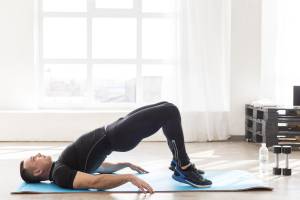
- Glute Bridge: While primarily targeting the glutes, this exercise also engages the hamstrings, contributing to overall thigh strength.
Adductors and Abductors
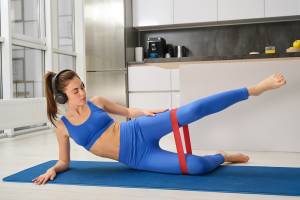
- Side Leg Raises: This exercise targets the abductors and can be intensified using ankle weights or resistance bands.
- Inner Thigh Squeeze: Using a medicine ball or cushion, this exercise focuses on the adductors, enhancing inner thigh strength.
- Cable Abduction: With a cable machine, this exercise provides resistance to the abductors, promoting lateral stability.
Creating a Thigh Workout Routine
Designing an effective thigh workout routine involves balancing different exercises to target all major muscle groups in the thigh. A well-rounded routine should incorporate a mix of compound and isolation exercises to ensure comprehensive muscle engagement.
Sample Workout Routine
Warm-Up: 5-10 minutes of light cardio (e.g., brisk walking or cycling) and dynamic stretches.
Main Exercises:
- Squats: 3 sets of 10-15 reps
- Deadlifts: 3 sets of 8-12 reps
- Lunges: 3 sets of 10 reps per leg
- Hamstring Curls: 3 sets of 12-15 reps
- Side Leg Raises: 3 sets of 15 reps per leg
Cool Down: Static stretches focusing on the thighs and lower body.
Remember to adjust the number of sets and repetitions based on your fitness level and goals. Beginners may start with fewer sets and gradually increase as they build strength and endurance.
Tips for Proper Form and Technique
Proper form and technique are crucial to maximize the effectiveness of your thigh exercises while minimizing the risk of injury. Here are some tips to keep in mind:
- Maintain Alignment: Ensure your knees are aligned with your toes during exercises like squats and lunges. This helps distribute weight evenly and prevents strain on your joints.
- Engage Core Muscles: A strong core provides stability and balance, essential for maintaining proper form during thigh exercises. Engage your core by drawing your belly button towards your spine.
- Controlled Movements: Avoid using momentum to lift weights. Instead, focus on controlled, deliberate movements that fully engage the targeted muscles.
- Breathe Properly: Exhale during the exertion phase of the exercise (e.g., lifting or pushing) and inhale during the relaxation phase. Proper breathing helps maintain focus and endurance.
- Listen to Your Body: Pay attention to any discomfort or pain during exercises. It’s crucial to differentiate between muscle fatigue and pain indicating potential injury.
Incorporating Equipment vs. Bodyweight Exercises
When it comes to thigh strengthening exercises, both equipment-based and bodyweight exercises have their advantages. The choice between the two often depends on your fitness level, access to equipment, and personal preferences.
Equipment-Based Exercises
- Leg Press Machine: Offers a controlled environment to target the quadriceps and hamstrings with adjustable resistance levels.
- Cable Machines: These provide a variety of resistance exercises for both adductors and abductors, allowing for targeted muscle engagement.
- Resistance Bands: Portable and versatile, they can be used to add resistance to bodyweight exercises, enhancing their effectiveness.
Bodyweight Exercises
- Squats and Lunges: Effective without the need for equipment, these exercises can be performed anywhere, making them convenient for at-home workouts.
- Step-Ups: Utilizing a sturdy bench or platform, step-ups engage both the quadriceps and glutes, promoting balance and coordination.
- Wall Sits: A static exercise that challenges the quadriceps and core endurance without requiring any equipment.
Both approaches can be effective, and incorporating a mix of equipment and bodyweight exercises can provide variety and prevent workout monotony.
Nutrition for Muscle Growth and Recovery
Nutrition plays a pivotal role in muscle growth and recovery, especially when targeting larger muscle groups like the thighs. Consuming the right nutrients before and after workouts can enhance your results and promote overall health.

Key Nutritional Components
- Protein: Essential for muscle repair and growth, aim to include high-quality protein sources such as lean meats, fish, legumes, and dairy in your diet.
- Carbohydrates: Provide the energy needed for intense workouts. Opt for complex carbohydrates like whole grains, fruits, and vegetables to fuel your body effectively.
- Healthy Fats: Support hormone production and overall health. Include sources like avocados, nuts, and olive oil in moderation.
Hydration and Timing
- Stay Hydrated: Water is crucial for muscle function and recovery. Ensure you drink adequate amounts of water throughout the day, especially before and after workouts.
- Timing: Aim to consume a balanced meal or snack containing protein and carbohydrates within 30-60 minutes post-workout to optimize recovery and muscle synthesis.
Tracking Progress and Setting Goals
Tracking your progress and setting realistic goals are vital components of any fitness journey. They provide motivation, direction, and a sense of accomplishment, keeping you on track to achieve your desired outcomes.
Monitoring Progress
- Record Workouts: Keep a workout journal to track exercises, sets, reps, and weights used. This helps identify patterns and areas needing improvement.
- Take Measurements: Regularly measure your thighs and other relevant areas to track changes in muscle size and body composition.
- Assess Performance: Note improvements in strength, endurance, and flexibility, which are key indicators of progress.
Goal Setting
- Set SMART Goals: Ensure your goals are Specific, Measurable, Achievable, Relevant, and Time-bound. For example, instead of aiming to “get stronger,” set a goal to “increase squat weight by 10 pounds in three months.”
- Short and Long-Term Goals: Establish both short-term and long-term goals to maintain motivation and focus.
- Celebrate Achievements: Acknowledge and celebrate milestones, no matter how small, to maintain enthusiasm and commitment.
Conclusion: Embracing a Stronger You
By focusing on strengthening your thigh muscles, you are investing in a healthier, more active lifestyle. The benefits go beyond physical appearance, enhancing mobility, balance, and overall well-being. By understanding the anatomy, debunking common myths, and incorporating a variety of exercises, you can create a balanced and effective workout routine.