


Physiotherapy is a vital healthcare profession that aims to restore, maintain, and maximize a patient’s mobility, function, and well-being. As a physiotherapist, your role involves assessing patient needs, developing personalized treatment plans, and making informed decisions to ensure optimal outcomes. Decision-making in physiotherapy is a multifaceted process that requires a deep understanding of various therapeutic modalities, patient conditions, and evidence-based practices. When faced with a myriad of treatment options, the decision-making process can be challenging. It involves not only selecting the most appropriate intervention but also considering factors such as patient preferences, clinical evidence, and potential risks. Depending on the condition being treated, options such as traction physical therapy may be considered as part of a comprehensive rehabilitation plan. As you navigate these decisions, it’s crucial to maintain a patient-centered approach, ensuring that the chosen treatment aligns with the individual’s goals and expectations.
Understanding Traction in Physiotherapy
Traction is a therapeutic technique commonly utilized in physiotherapy to alleviate pain and improve mobility. This method involves the application of a controlled force to stretch and mobilize specific body parts, typically the spine. Traction can be administered manually by a therapist or mechanically using specialized equipment.
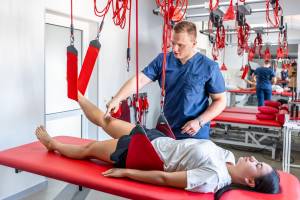
The primary goal of traction is to relieve pressure on the spine’s discs and nerves, which can help reduce pain and discomfort associated with conditions such as herniated discs or nerve root compression. By creating space between vertebrae, traction can also enhance joint mobility and promote healing. If you’re exploring conservative treatment options, consulting a chiropractor in Islamabad can help determine whether traction therapy is appropriate for your condition. Understanding how traction works and its potential benefits is crucial for making informed treatment decisions.
Despite its widespread use, traction is not suitable for every patient. The appropriateness of traction depends on several factors, including the patient’s specific condition, overall health, and treatment goals. As a physiotherapist, it is your responsibility to assess these elements and determine whether traction is the right choice for your patient.
Indications for Traction: When is it Appropriate?
To determine when traction is appropriate, it’s essential to consider the specific indications and contraindications associated with this treatment. Traction is often indicated for patients experiencing conditions such as herniated or bulging discs, degenerative disc disease, and sciatica. It may also be used alongside cervical disc bulge exercises as part of a comprehensive rehabilitation program when clinically appropriate. Additionally, traction can be beneficial for those suffering from joint stiffness or muscle spasms.
However, traction is not suitable for everyone. There are several contraindications to consider, such as severe osteoporosis, certain spinal infections, or tumors. Patients with recent fractures or spinal instability should also avoid traction. Conducting a thorough assessment of the patient’s medical history and current condition is crucial to ensure that traction is a safe and effective option.
As you evaluate the potential for traction, it’s important to weigh the benefits against the risks. Understanding the specific indications and contraindications will help you make informed decisions and enhance the efficacy of your treatment plans.
The Role of Patient Assessment in Decision-Making
Patient assessment is a cornerstone of effective physiotherapy practice and plays a critical role in decision-making. A comprehensive evaluation enables you to gather essential information about the patient’s condition, needs, and goals. This data forms the foundation for developing a personalized treatment plan that addresses the unique requirements of each individual.
During the assessment process, you should consider various factors, such as the patient’s medical history, physical examination findings, and any relevant diagnostic imaging. By combining this information with your clinical expertise, you can accurately identify the underlying causes of the patient’s symptoms and determine the most suitable interventions.
Physiotherapists should incorporate patient assessment into their decision-making process to create evidence-based treatment plans tailored to each individual’s specific needs. This approach not only enhances the effectiveness of your interventions but also fosters a collaborative relationship between you and your patient, promoting better outcomes.
Benefits and Risks of Using Traction
Traction offers several potential benefits for patients, particularly those with spinal conditions. By alleviating pressure on the spine and surrounding structures, traction can help reduce pain, improve mobility, and enhance overall function. It may also facilitate healing by promoting blood flow to the affected area and reducing inflammation.
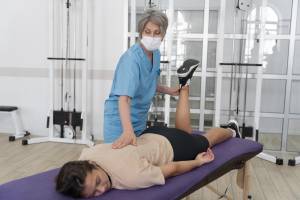
However, like any treatment, traction is not without risks. Potential side effects include muscle soreness, temporary discomfort, and, in rare cases, exacerbation of symptoms. It’s essential to carefully monitor your patients during traction sessions and adjust the treatment parameters as needed to minimize these risks.
When considering traction as a treatment option, it’s crucial to balance the potential benefits against the risks. By conducting a thorough assessment and closely monitoring your patient’s response, you can ensure that traction is both safe and effective, ultimately leading to improved patient outcomes.
Types of Traction Techniques Used in Physiotherapy
There are several types of traction techniques commonly employed in physiotherapy, each with its unique applications and benefits. Understanding these techniques will enable you to select the most appropriate method for your patients based on their specific needs and conditions.
- Manual Traction: This involves a therapist applying a gentle, controlled force to the affected area using their hands. Manual traction allows for precise control and adjustment, making it suitable for patients with specific needs or sensitivities.
- Mechanical Traction: Utilizing specialized equipment, mechanical traction provides consistent force to the targeted area. This method is often used for patients with more severe conditions or those who require longer treatment sessions.
- Positional Traction: This technique involves placing the patient in a specific position to achieve the desired traction effect. Positional traction is often used in conjunction with other treatments to enhance overall outcomes.
By familiarizing yourself with these techniques, you can make informed decisions about which method will be most effective for your patients, ultimately improving their treatment experience and results.
Evidence-Based Research on Traction Effectiveness
Evidence-based research plays a crucial role in validating the effectiveness of traction as a physiotherapy intervention. Numerous studies have examined the impact of traction on various conditions, providing valuable insights into its potential benefits and limitations.
Research has shown that traction can be effective in alleviating pain and improving function for patients with certain spinal disorders. However, the results can vary depending on factors such as the patient’s specific condition, the type of traction used, and the duration of treatment. Healthcare professionals should stay informed about the latest research findings to ensure they base their treatment decisions on credible evidence.
By incorporating evidence-based practices into your decision-making process, you can enhance the quality of care you provide and ensure that your patients receive the most effective interventions available.
Alternative Treatments to Traction
While traction can be an effective treatment for many patients, it’s important to consider alternative therapies that may also provide relief. Exploring these options allows you to offer a comprehensive treatment plan tailored to the individual needs of your patients.
- Manual Therapy: Techniques such as joint mobilization and soft tissue manipulation can help alleviate pain and improve mobility, providing an alternative to traction for some patients.
- Exercise Therapy: A structured exercise program can strengthen muscles, improve flexibility, and enhance overall function, making it a valuable component of a multidisciplinary treatment approach.
- Modalities: Treatments such as ultrasound, heat, or cold therapy can complement other interventions, providing additional pain relief and promoting healing.
By incorporating these alternative treatments into your practice, you can offer a well-rounded approach that addresses the diverse needs of your patients, ultimately improving their outcomes and satisfaction.
Patient Education and Involvement in Treatment Decisions
Patient education is a fundamental aspect of physiotherapy and plays a vital role in treatment success. By providing patients with clear, comprehensive information about their condition and treatment options, you empower them to make informed decisions and take an active role in their recovery.

Involving patients in the decision-making process enhances their understanding of the treatment plan and fosters a sense of ownership and accountability. This collaborative approach can lead to improved adherence to the prescribed interventions and ultimately better outcomes.
As a physiotherapist, it’s essential to communicate effectively with your patients, addressing any questions or concerns they may have. By fostering open dialogue and actively involving them in the treatment process, you can build trust and promote a positive therapeutic relationship.
Conclusion: Key Takeaways on Traction in Physiotherapy
In summary, understanding the role of traction in physiotherapy requires a comprehensive approach that considers patient needs, clinical evidence, and potential risks. By conducting thorough assessments, staying informed about the latest research, and exploring alternative treatments, you can make informed decisions that optimize patient outcomes.
As a physiotherapist, your ability to navigate the complexities of decision-making is crucial for delivering effective, patient-centered care. By incorporating evidence-based practices and fostering open communication with your patients, you can ensure that your treatment plans are both safe and effective.