


Stretching is often overlooked, yet it plays a crucial role in maintaining overall health and well-being. It enhances flexibility, improves range of motion, and prepares your body for physical activity. By engaging in regular stretching routines, you can prevent injuries and ensure that your muscles and joints remain healthy and functional.
A sustainable stretching routine helps alleviate muscle tension and reduces the risk of strains and sprains. Stretching also promotes better posture by aligning your muscles and joints properly. This alignment is essential not only for athletes but for anyone who spends long hours sitting or standing.
Moreover, regular stretching increases blood flow to your muscles, delivering essential nutrients and oxygen. This circulation boost aids in muscle recovery and reduces muscle soreness after exercise. As you incorporate stretching into your daily routine, you’ll notice improved mobility and a heightened sense of physical ease.
Benefits of a Sustainable Stretching Routine
The benefits of a sustainable stretching routine are vast and multifaceted. One significant advantage is the enhancement of flexibility, which allows you to perform daily activities with greater ease. Improved flexibility also enables you to reach your fitness goals more efficiently by allowing your muscles to work more effectively.

Another benefit is the reduction of muscle tension and stress. Stretching helps release endorphins, the body’s natural pain relievers, which soothe sore muscles and promote relaxation. It also complements physical therapy exercises by improving flexibility and preparing the body for movement. This relaxation not only benefits your physical state but also contributes to mental well-being, reducing anxiety and improving your overall mood.
Moreover, a well-planned stretching routine can help prevent injuries by preparing your muscles for the demands of physical activity. By enhancing your body’s flexibility and range of motion, you diminish the likelihood of muscle strains and joint sprains. This preventive measure ensures you can enjoy your favorite activities without the risk of unnecessary setbacks.
Common Stretching Mistakes to Avoid
Although stretching is beneficial, it’s crucial to perform it correctly to avoid common mistakes that can lead to injury. One of the most typical errors is stretching cold muscles. It’s essential to warm up with light cardio, like brisk walking or jogging, before engaging in stretching exercises to ensure your muscles are pliable and ready.
Another mistake is using improper technique or form. Stretching should never cause sharp pain; if it does, you’re likely overstretching. Always listen to your body and avoid pushing yourself beyond your comfort zone. If you’re unsure about the correct technique, consulting a physiotherapist in Islamabad can help ensure you’re stretching safely and effectively. Gradual progress is safer and more effective than forcing yourself into difficult positions.
Additionally, many people neglect to breathe properly while stretching. Holding your breath can increase muscle tension and reduce the effectiveness of your stretch. Focus on deep, steady breathing to help relax your muscles and enhance your stretching experience.
Types of Stretching: Dynamic vs. Static
Understanding the different types of stretching can help you tailor your routine to your specific needs. Dynamic stretching involves active movements that mimic the activity you’ll be performing, and it’s ideal for warming up. These stretches increase blood flow, raise body temperature, and prepare your muscles for more intense exercise.
Static stretching, on the other hand, involves holding a stretch in a comfortable position for a set period, usually 15-60 seconds. This type of stretching is most beneficial after workouts when your muscles are warm and pliable. It aids in cooling down and helps improve flexibility and muscle length over time.
Incorporating both dynamic and static stretches into your routine can create a balanced approach that maximizes the benefits of stretching. Dynamic stretches can be used to prepare your body for movement, while static stretches can help you relax and recover post-exercise.
How to Assess Your Flexibility Needs
Assessing your flexibility needs involves understanding your body and identifying areas that require attention. Start by evaluating your daily activities and pinpointing any movements that cause discomfort or stiffness. These areas may benefit from targeted stretching to improve flexibility and reduce pain.
Perform a series of flexibility tests to gauge your current range of motion. Simple tests such as reaching your toes, rotating your neck, or extending your arms can help you determine your flexibility level. Take note of any limitations or tightness, as these are indicators of areas that need work.
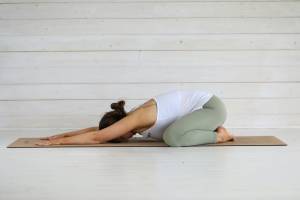
Once you’ve assessed your flexibility needs, you can tailor your stretching routine to address specific problem areas. Focus on creating a balanced routine that targets all major muscle groups while giving extra attention to those areas that need improvement. This personalized approach ensures that your stretching routine is both effective and sustainable.
Creating a Balanced Stretching Routine
Creating a balanced stretching routine involves incorporating a variety of exercises that target different muscle groups. A well-rounded routine should include stretches for the upper body, lower body, and core. This comprehensive approach ensures that every part of your body benefits from increased flexibility and reduced tension.
Begin by selecting a mix of dynamic and static stretches to include in your routine. Dynamic stretches are ideal for warming up, while static stretches help cool down and improve flexibility. Consider incorporating yoga or Pilates-based stretches for a holistic approach that enhances both strength and flexibility.
It’s crucial to schedule time for stretching, just as you would for any workout. Aim for at least 10-15 minutes of stretching per day, either as a standalone routine or as part of your warm-up and cool-down. Consistency is key to reaping the long-term benefits of a sustainable stretching practice.
Listening to Your Body: Signs of Overstretching
Listening to your body is vital when it comes to stretching. Overstretching can lead to muscle strains, ligament injuries, and joint pain, hindering your progress and causing discomfort. Recognizing the signs of overstretching can help you adjust your routine to prevent injury.
Common signs of overstretching include sharp or persistent pain, swelling, or bruising in the stretched area. If you experience any of these symptoms, it’s essential to stop stretching immediately and allow your body to recover. Applying ice and resting the affected area can help reduce inflammation and promote healing.
To avoid overstretching, always pay attention to how your body feels during and after stretching. If you notice discomfort or fatigue, consider reducing the intensity or duration of your stretches. Remember, stretching should enhance your physical well-being, not compromise it.
Incorporating Stretching into Your Daily Life
Integrating stretching into your daily routine is a simple yet effective way to maintain flexibility and prevent injury. Start by identifying moments throughout your day when you can incorporate short stretching sessions. These moments could include morning stretches to kickstart your day or evening stretches to unwind before bed.
Consider setting reminders or alarms to prompt you to stretch, especially if you have a sedentary lifestyle. Regular breaks to stretch during work hours can alleviate tension and improve your posture. Desk stretches or standing stretches can be quick and effective ways to incorporate movement into your daily routine.
In addition to structured sessions, look for opportunities to stretch naturally. Activities such as playing with your pets, gardening, or doing household chores can involve stretching movements. By making stretching a regular part of your daily life, you’ll enjoy the benefits of improved flexibility and reduced muscle tension.
Recommended Stretching Exercises for Different Muscle Groups
To ensure a comprehensive stretching routine, it’s important to include exercises that target different muscle groups. Here are some recommended stretches for key areas of your body:

Upper Body Stretches:
- Neck Stretch: Gently tilt your head to each side, holding for 15-20 seconds.
- Shoulder Stretch: Cross one arm over your chest and use the opposite hand to gently pull it closer.
- Triceps Stretch: Raise one arm overhead, bend the elbow, and use the opposite hand to gently press the elbow.
Lower Body Stretches:
- Quadriceps Stretch: Stand on one leg, pull the other foot towards your glutes, and hold.
- Hamstring Stretch: Sit on the floor with one leg extended and reach towards your toes.
- Calf Stretch: Stand facing a wall, place one foot behind the other, and lean forward.
Core Stretches:
- Cat-Cow Stretch: On all fours, arch your back and then drop your belly towards the floor.
- Child’s Pose: Kneel on the floor, sit back on your heels, and stretch your arms forward.
- Side Bend Stretch: Stand with feet hip-width apart, raise one arm overhead, and lean to the opposite side.
These stretches, when performed regularly, can enhance your overall flexibility and reduce muscle tension, contributing to a well-balanced stretching routine.
Conclusion: Embracing a Sustainable Stretching Practice
Embracing a sustainable stretching practice involves understanding your body’s needs and committing to regular stretching. By avoiding common mistakes, incorporating dynamic and static stretches, and listening to your body, you can create a routine that enhances your physical and mental well-being.
As you integrate stretching into your daily life, remember that consistency is key. Regular practice will yield the best results, leading to improved flexibility, reduced muscle tension, and a greater sense of overall health. With time, patience, and dedication, you can master a stretching routine that supports your lifestyle and fitness goals.