


Introduction to Prolonged Sitting and Hip Pain
Prolonged sitting has become a common part of daily life, whether at work, during commutes, or leisure time. While it may seem harmless, sitting for long periods can contribute significantly to hip pain and discomfort. Understanding this connection is important for maintaining mobility and overall health.
Hip pain from extended sitting can affect daily activities, work performance, and even sleep quality. It often results from muscle tightness, joint stiffness, and reduced circulation caused by inactivity. Recognizing these signs early and taking preventive measures can help reduce the risk of chronic issues.
This guide explores how prolonged sitting impacts hip health, the common causes of pain, and practical strategies to prevent and relieve discomfort, helping you maintain an active and healthy lifestyle.
Common Causes of Hip Pain Related to Sitting
Several factors can contribute to hip pain when you sit for long periods. One primary cause is poor posture. Slouching or leaning forward while sitting can place additional stress on your hip joints and muscles, leading to discomfort over time. Ensuring proper posture can significantly reduce the strain on your hips.

Another common cause is an unsuitable seating arrangement. Chairs that lack ergonomic design can exacerbate pressure on your hips, leading to pain. Investing in a chair that supports your lower back and maintains your natural spinal curvature can alleviate some of the stress on your hips.
Lastly, lack of movement is a critical factor. When seated for extended periods without breaks, your hip muscles can become stiff and weak. This lack of activity can lead to muscle imbalances, which in turn contribute to hip pain. Incorporating regular movement and stretching into your routine is crucial to prevent such issues.
Symptoms of Hip Pain from Prolonged Sitting
Recognizing the symptoms of hip pain related to sitting is essential for early intervention. Common signs include a dull ache or sharp pain in the hip area, particularly after sitting for an extended time. You might also experience stiffness or a reduced range of motion when you try to stand or walk.
In some cases, you may notice discomfort that radiates from your hip to your lower back or down your leg, indicating possible sciatic nerve involvement. This type of pain can be particularly bothersome and may require specific interventions to address the underlying cause.
It’s important to pay attention to these symptoms and take action promptly. Ignoring them can lead to more severe issues over time, affecting your overall mobility and quality of life.
Preventive Measures to Combat Hip Pain
Preventing hip pain from prolonged sitting involves adopting several strategies. First and foremost, ensure that you maintain good posture while seated. Keep your feet flat on the floor, your back straight, and your hips aligned with your knees. This posture helps distribute weight evenly and reduces pressure on your hips.
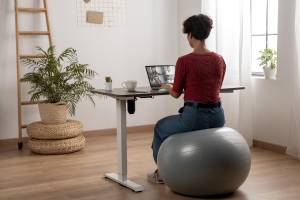
Incorporate regular breaks into your routine. Aim to stand, stretch, or walk for at least five minutes every hour. These activities can help improve blood circulation, reduce muscle tension, and prevent stiffness in your hips.
Additionally, consider using ergonomic furniture. An ergonomic chair with lumbar support can help maintain the natural curvature of your spine, reducing strain on your hips. If possible, use a standing desk to alternate between sitting and standing throughout the day.
Exercises to Alleviate Hip Pain from Sitting
Engaging in regular exercises can help alleviate hip pain caused by prolonged sitting. Here are some effective exercises to incorporate into your routine:
- Hip Flexor Stretch: Kneel on one knee with the other foot in front, forming a right angle. Push your hips forward gently, stretching the hip flexors. Hold for 30 seconds and switch sides.
- Glute Bridge: Lie on your back with your feet flat on the floor and knees bent. Lift your hips towards the ceiling, squeezing your glutes at the top. Hold for a few seconds before lowering. Repeat 10-15 times.
- Seated Leg Lifts: While seated, lift one leg straight in front of you, hold for a few seconds, then lower it slowly. Alternate legs for 10 repetitions each.
Regularly practicing these exercises can improve hip flexibility and strength, reducing the likelihood of pain from extended sitting.
Ergonomic Solutions for Better Posture
An ergonomic workstation can help maintain healthy posture and reduce hip strain. Key tips include:
- Chair: Choose a chair with adjustable height and lumbar support. Your hips should be slightly higher than your knees, and your feet should rest flat on the floor.
- Desk Height: Ensure your desk is at a comfortable height so that your elbows are at a 90-degree angle while typing.
- Monitor Position: Position your computer screen at eye level, about an arm’s length away, to avoid straining your neck and back.
By making these adjustments, you can create a more comfortable and supportive environment that minimizes the risk of hip pain.
When to Seek Professional Help for Hip Pain
While preventive measures and exercises can significantly reduce the risk of hip pain, there are times when professional intervention is necessary. If you experience persistent pain that doesn’t improve with self-care strategies, it’s essential to consult a healthcare professional.

Signs that you should seek medical advice include severe pain, swelling, or redness around the hip joint, as well as difficulty moving the hip or leg. A healthcare provider can conduct a thorough assessment to determine the underlying cause and recommend appropriate treatment options.
Ignoring severe or persistent symptoms can lead to more complex health issues, so it’s crucial to address them promptly with the guidance of a professional.
Long-term Effects of Prolonged Sitting on Hip Health
Chronic sitting habits can have long-term repercussions on your hip health. Over time, the constant pressure and lack of movement can lead to degenerative changes in the hip joint. This may result in conditions such as osteoarthritis, which can significantly impact your mobility and quality of life.
Moreover, muscle imbalances and reduced flexibility from prolonged sitting can contribute to chronic pain and discomfort. These issues can become more challenging to manage as you age, making it essential to adopt preventive measures early on.
Taking proactive steps to incorporate movement into your daily routine, maintain proper posture, and use ergonomic solutions can help mitigate these long-term effects, promoting healthier hips and overall well-being.
Conclusion
Addressing hip pain resulting from prolonged sitting requires a multifaceted approach. By understanding the science behind sitting-induced hip pain, recognizing symptoms early, and implementing preventive strategies, you can significantly reduce the risk of discomfort and maintain a healthy lifestyle.
Incorporating regular exercises, ergonomic solutions, and breaks into your daily routine can alleviate existing pain and prevent future issues. Remember, your health is a priority, and taking small steps today can lead to significant improvements in your overall well-being.