


Flat arches, commonly known as flat feet or fallen arches, occur when the arches of your feet are lower than usual or completely flat against the ground. This condition can be either hereditary or acquired over time due to various factors. People with flat arches may experience discomfort, pain, or even complications in other parts of the body like the knees, hips, and lower back. Understanding the structure and function of your arches is the first step in addressing this common issue.
The arches of your feet play a critical role in distributing your body weight across your feet and providing balance. They act as natural shock absorbers, helping you manage the impact of various activities such as walking, running, and jumping. Without adequate arch support, you might experience increased strain on your foot muscles and ligaments, potentially leading to discomfort or injury. In such cases, consulting a physiotherapist in islamabad can be beneficial. Recognizing the signs of flat arches early on can help you take proactive measures to strengthen them.
Flat arches can be identified through a simple wet foot test. By stepping onto a flat surface with wet feet, you can observe the footprint. A full footprint indicates flat arches, while a partial or narrow footprint suggests normal arches. Additionally, symptoms such as pain in the heel or arch area, swelling along the inside of the ankle, or an uneven shoe wear pattern can point towards flat arches. Understanding these signs allows you to take the necessary steps toward strengthening and supporting your arches.

The Importance of Strengthening Flat Arches
Strengthening flat arches is crucial for maintaining overall foot health and preventing further complications. Strong arches can alleviate pain and improve your balance, posture, and gait. By focusing on exercises that target foot muscles, you can enhance their strength and flexibility, ultimately providing better support for your body.
When your arches are flat, your body’s alignment can be disrupted, leading to overpronation, where your feet roll inward excessively. Over time, this can cause strain on your ankles, knees, and hips, potentially resulting in injuries or chronic conditions that may benefit from orthopedic manual therapy. Strengthening your arches can help correct this alignment, reducing the risk of such issues.
Moreover, strong arches contribute to improved performance in physical activities. Whether you’re an athlete or someone who enjoys recreational sports, having well-supported arches can enhance your agility and endurance. By incorporating targeted exercises into your routine, you can boost your foot strength, leading to better stability and performance in your chosen activities.
Common Causes of Flat Arches
Flat arches can be caused by a variety of factors, both genetic and environmental. Understanding these causes can help you identify potential risk factors and adopt preventive measures. One of the most common causes is genetics. If your parents or close relatives have flat arches, there is a higher likelihood that you may inherit this condition.
In addition to genetics, lifestyle factors can contribute to developing flat arches. Prolonged standing or walking, especially on hard surfaces, can weaken the muscles and ligaments in your feet over time, sometimes leading individuals to consult a doctor for numbness if nerve-related symptoms arise. Similarly, wearing unsupportive footwear that lacks arch support can exacerbate the problem. Ensuring that your shoes provide adequate support and cushioning can help prevent the development of flat arches.
Certain medical conditions and injuries can also lead to flat arches. Conditions such as arthritis, obesity, or diabetes can affect the structure and function of your feet, while injuries to the feet or ankles can weaken the supporting structures. Being aware of these factors can guide you in taking steps to strengthen your arches and prevent further deterioration.
Essential Exercises for Strengthening Flat Arches
Strengthening flat arches requires a focused approach with exercises designed to target the muscles and ligaments of the feet. Incorporating these exercises into your routine can significantly improve the strength and flexibility of your arches.
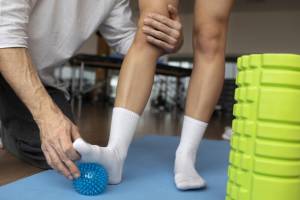
- Toe Curls: Sit with your feet flat on the ground. Place a small towel under your foot and use your toes to scrunch the towel towards you. Repeat this exercise ten times for each foot. This exercise helps to strengthen the intrinsic muscles of the foot.
- Heel Raises: Stand with your feet hip-width apart and slowly lift your heels off the ground, balancing on the balls of your feet. Hold for a few seconds before lowering your heels back down. Perform three sets of 15 repetitions. This exercise targets the calf and foot muscles, enhancing arch support.
- Foot Roll: Use a tennis ball or a similar object to roll under the arch of your foot, applying gentle pressure. This technique helps in massaging and strengthening the plantar fascia. Spend about five minutes on each foot daily to improve arch flexibility.
By regularly practicing these exercises, you can strengthen your foot muscles, improve flexibility, and provide better support for your arches.
Incorporating Flexibility and Stretching into Your Routine
In addition to strengthening exercises, incorporating flexibility and stretching routines can further enhance arch support. Stretching helps to relieve tension, improve circulation, and increase the overall range of motion in your feet.
- Calf Stretch: Stand facing a wall with one foot forward and the other back. Keep your back heel on the ground and lean forward, bending your front knee. Hold the stretch for 20-30 seconds and repeat on the other side. This stretch targets the calf muscles, which play a crucial role in supporting your arches.
- Plantar Fascia Stretch: Sit with one leg crossed over the other. Gently pull back on your toes until you feel a stretch along the bottom of your foot. Hold for 15-20 seconds and repeat on the opposite foot. This stretch helps to release tension in the plantar fascia, improving arch flexibility.
- Ankle Circles: While seated, extend one leg and rotate your ankle in a circular motion. Do 10 circles in each direction for both ankles. This exercise enhances ankle flexibility, supporting overall foot movement.
By integrating these stretching exercises into your daily routine, you can improve foot flexibility and reduce the risk of injury, contributing to stronger arches.
Tips for Proper Form and Technique
When performing exercises to strengthen flat arches, maintaining proper form and technique is crucial for effectiveness and injury prevention. Here are some tips to ensure you’re exercising correctly:
- Stay Balanced: Focus on maintaining balance and stability during exercises. Use a wall or chair for support if needed, especially for exercises like heel raises.
- Engage Core Muscles: Engaging your core muscles while exercising can enhance stability and prevent strain on your lower back and legs.
- Consistent Breathing: Remember to breathe consistently and avoid holding your breath during exercises. Proper breathing ensures the delivery of oxygen to your muscles, improving performance and endurance.
Adhering to these tips will help you perform exercises safely and effectively, maximizing the benefits for your arches.
Additional Support: Footwear and Orthotics
In addition to exercises, choosing the right footwear and considering orthotics can significantly impact the support and strength of your arches. Footwear designed with adequate arch support can alleviate pain and improve posture.
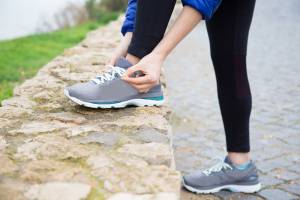
- Shoe Selection: When choosing shoes, look for options with firm arch support, a cushioned sole, and a wide toe box. Avoid shoes with high heels or completely flat soles, as they can exacerbate flat arches.
- Orthotic Inserts: Custom orthotic inserts can provide additional support and correct foot alignment. Consult with a podiatrist to determine if orthotics are suitable for your needs and to receive personalized recommendations.
- Regular Replacement: Footwear should be replaced regularly to ensure continued support. Over time, shoes lose their cushioning and support, which can negatively impact your arches.
By investing in suitable footwear and considering orthotics, you can enhance the support your feet receive, complementing your exercise efforts.
When to Seek Professional Help
While exercises and supportive footwear can significantly improve flat arches, there are instances where professional intervention may be necessary. Seeking professional help can provide a comprehensive evaluation and personalized treatment plan to address your specific needs.
- Persistent Pain: If you experience persistent pain or discomfort despite following an exercise routine, it’s important to consult a healthcare professional. They can identify underlying issues and suggest appropriate interventions.
- Severe Flat Feet: In cases of severely flat feet, a podiatrist or orthopedic specialist can recommend advanced treatment options, such as custom orthotics or physical therapy, to improve arch support.
- Injury or Complications: If you suspect an injury or experience complications such as swelling or difficulty walking, seek immediate medical attention to prevent further damage.
Professional guidance can ensure you’re taking the right steps to strengthen your arches effectively and safely.
Conclusion: Taking the Next Steps for Stronger Arches
Strengthening flat arches is a proactive approach to improving foot health and preventing related complications. By incorporating targeted exercises, flexibility routines, and supportive footwear, you can significantly enhance the strength and stability of your arches. Understanding the importance of proper technique and seeking professional help when necessary ensures you’re on the right path to achieving stronger arches.
As you embark on this journey, remember that consistency is key. Make these exercises and stretches a regular part of your routine to experience lasting benefits. With dedication and the right support, you can achieve healthier, stronger arches that contribute to your overall well-being.