


Understanding Electrotherapy
Electrotherapy is a non-invasive technique used to stimulate muscles through electrical impulses. It is effective in enhancing muscle activation, rehabilitation, improving muscle strength, reducing pain, and speeding up recovery. By mimicking the body’s natural electrical signals, electrotherapy prompts muscle contractions that increase blood flow, improve muscle tone, and enhance neuromuscular function. It is commonly used by athletes, physical therapists, and individuals recovering from injuries.
Electrotherapy devices come in various forms, from wearable units to advanced clinical machines, suitable for both home and professional use. Understanding its mechanisms and benefits can help in making informed decisions about incorporating this technology into a fitness or rehabilitation routine.
Benefits of Electrotherapy for Muscle Enhancement

Electrotherapy provides several important benefits for muscle improvement. It helps increase muscle strength and endurance by activating muscle fibers that may not fully engage during normal contractions, making it useful for correcting muscle imbalances or weaknesses.
It also plays a significant role in pain management by modulating pain signals and stimulating the release of endorphins, which helps reduce chronic neck pain and post-exercise soreness. This allows athletes and rehabilitation patients to continue training with less discomfort.
In addition, electrotherapy enhances blood circulation and speeds up recovery. The induced muscle contractions improve blood flow, supporting nutrient delivery and waste removal. This leads to faster healing, reduced fatigue, and a lower risk of injury, making electrotherapy a valuable part of fitness and rehabilitation routines.
Types of Electrotherapy Techniques
There are several electrotherapy techniques, each designed for specific purposes. Understanding their differences can help you choose the most suitable option for your goals.
- Transcutaneous Electrical Nerve Stimulation(TENS): TENS is primarily used for pain relief. By applying electrical impulses to the skin, TENS can interfere with pain signals and stimulate the release of endorphins. It’s commonly used for conditions like arthritis, back pain, and postoperative pain.
- Neuro muscular Electrical Stimulation(NMES): NMES focuses on muscle activation and strengthening. It stimulates motor nerves to produce muscle contractions, making it ideal for muscle rehabilitation, strength training, and preventing muscle atrophy.
- Functional Electrical Stimulation(FES): FES is used to enhance functional movements in individuals with neurological impairments. By stimulating specific muscle groups, FES can help improve mobility and coordination in conditions like stroke or spinal cord injury.
- Interferential Current Therapy(IFC): This technique uses medium-frequency electrical currents to reduce pain and inflammation. IFC is often used for acute injuries and joint pain, providing deep tissue stimulation without discomfort.
Each technique has its own applications and benefits. A healthcare professional or physical therapist can help determine which method is most appropriate for your needs.
How Electrotherapy Works on Weak or Inhibited Muscles
Weak or inhibited muscles can result from injury, neurological conditions, or prolonged inactivity. Electrotherapy provides a targeted method to improve muscle activation and restore function.
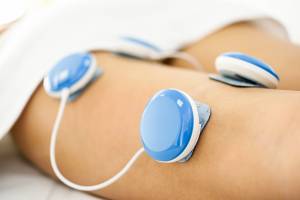
When muscles don’t respond well to voluntary signals from the brain, electrotherapy can bypass these weakened neural pathways by directly stimulating motor neurons. This stimulation triggers muscle contractions, helping re-establish neural connections and improving muscle responsiveness.
Electrotherapy also helps retrain muscles to activate correctly. Repeated stimulation encourages the formation and strengthening of neural pathways, which is essential for restoring coordination and proper muscle function, especially during recovery from injuries or neurological issues.
Additionally, electrotherapy enhances muscle endurance by increasing the recruitment of muscle fibers. This leads to better muscle tone, strength, and overall performance. Understanding this process allows you to use electrotherapy effectively for fitness or rehabilitation goals.
Evidence and Research Supporting Electrotherapy
Numerous studies have shown the effectiveness of electrotherapy in improving muscle activation and rehabilitation. Research consistently reports gains in muscle strength, endurance, and coordination in both healthy individuals and those with neuromuscular conditions.
A study in the Journal of Orthopaedic & Sports Physical Therapy found that NMES significantly improved quadriceps strength and functional performance after knee surgery. Another study in the Archives of Physical Medicine and Rehabilitation showed that FES enhanced walking speed and mobility in stroke patients, demonstrating its value in neurological recovery.
A systematic review in the Journal of Physiotherapy also concluded that TENS effectively reduces pain and improves quality of life in people with chronic pain. These findings highlight the versatility and clinical benefits of electrotherapy across different conditions.
Although the evidence is strong, individual factors such as medical history and personal goals matter. Consulting a healthcare professional can help create an electrotherapy plan best suited to your needs.
Safety Considerations and Contraindications
While electrotherapy is generally safe, certain precautions should be observed to avoid potential risks. Some individuals should avoid electrotherapy, including those with pacemakers or other implanted electronic devices, as electrical impulses may interfere with device function. It should also not be applied over open wounds, infections, or skin irritations.
Pregnant women, people with epilepsy, or those with heart conditions should consult a healthcare professional before using electrotherapy to ensure it is suitable for them.
When using electrotherapy devices, always follow the manufacturer’s instructions. Ensure electrodes are placed correctly and intensity settings are comfortable. Adhering to these safety measures allows you to enjoy the benefits of electrotherapy while minimizing risks.
Choosing the Right Electrotherapy Device
Selecting the right electrotherapy device is essential to achieving your desired outcomes. With many devices available, consider factors such as functionality, ease of use, and budget.
Start by identifying your primary goals. For pain relief, a TENS unit may be most suitable. For muscle strengthening and rehabilitation, look for devices with NMES capabilities. Some devices combine multiple functions, offering versatility for different needs.
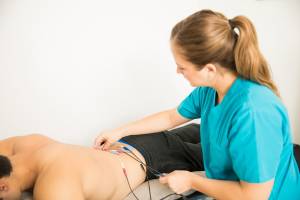
Ease of use is important. Choose devices with user-friendly interfaces and adjustable settings to customize intensity and duration. Portable devices are convenient for on-the-go use, while advanced clinical machines may provide additional features for professional settings.
Finally, consider your budget and prioritize devices that offer the best value. Reading reviews and consulting healthcare professionals can help you make an informed choice. Choosing the right electrotherapy device can enhance muscle activation and support your fitness or rehabilitation goals.
Conclusion
Electrotherapy is a powerful tool for enhancing muscle activation and performance. Understanding its mechanisms, benefits, and applications allows you to address muscle challenges effectively.
Integrating electrotherapy into your fitness or rehabilitation routine can improve strength, endurance, and coordination. Whether recovering from injury or aiming to optimize athletic performance, it provides a targeted and effective solution.
Consulting healthcare professionals and selecting the right device ensures safe and optimal results. By following these steps, you can harness the benefits of electrotherapy and achieve your desired outcomes.