


Aortic dissection is a serious condition in which there is a tear in the inner layer of the aorta, the large blood vessel branching off the heart. This tear allows blood to flow between the layers of the aorta, causing them to separate. If the blood breaks through the outer aortic wall, it can be fatal. Recognizing the signs and acting swiftly is crucial to managing this life-threatening condition effectively.
The aorta is the body’s main supplier of blood, carrying it from the heart to various parts of the body. When an aortic dissection occurs, it can lead to reduced or blocked blood flow to important organs. This disruption can result in severe complications and requires immediate medical intervention. Understanding the nature of this condition helps in recognizing symptoms and seeking timely treatment. For other musculoskeletal concerns, a chiropractor in islamabad can provide appropriate care.
The term “dissection” refers to the separation of the aorta’s layers, which can lead to a complete tear. This condition is often confused with other cardiovascular issues, but it requires specific attention due to its unique characteristics and potential outcomes. Educating yourself about aortic dissection can aid in early detection and improve the chances of a successful recovery.
Anatomy of the Aorta
The aorta is the largest artery in the body, playing a critical role in the circulatory system. It originates from the left ventricle of the heart and extends down to the abdomen, where it splits into two smaller arteries. The aorta is divided into several sections: the ascending aorta, the aortic arch, the descending thoracic aorta, and the abdominal aorta.
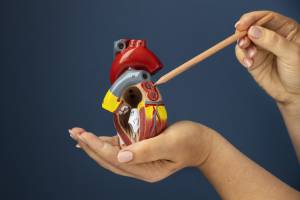
Each section of the aorta has specific functions and risks associated with it. The ascending aorta carries oxygen-rich blood from the heart to the head and neck, while the descending aorta supplies blood to the lower parts of the body. The aortic arch is the curve that connects the ascending and descending aorta, and it is critical for distributing blood to the upper body.
The walls of the aorta are composed of three layers: the intima (inner layer), the media (middle layer), and the adventitia (outer layer). In an aortic dissection, the intima tears, allowing blood to enter the media layer and cause separation. Understanding the anatomy of the aorta helps in comprehending how a dissection occurs and the potential impact it can have on your health. Electrotherapy may help manage pain in certain musculoskeletal conditions, but it is not a treatment for aortic dissection.
Causes of Aortic Dissection
Several factors can contribute to the onset of an aortic dissection. High blood pressure is a significant risk factor, as it increases the force of blood against the aortic wall, potentially leading to a tear. Chronic hypertension can weaken the aortic tissue over time, making it more susceptible to dissection.
Genetic conditions also play a role in the development of aortic dissection. Disorders such as Marfan syndrome, Ehlers-Danlos syndrome, and Turner syndrome can affect the strength and elasticity of the aortic wall. These conditions are typically inherited and require regular monitoring to prevent complications like dissection. If symptoms such as numbness occur, consulting a doctor for numbness can help identify the underlying cause and determine appropriate care.
Trauma or injury to the chest area can also cause an aortic dissection. Accidents, falls, or severe impacts can lead to a tear in the aorta. Additionally, some lifestyle factors, such as smoking and drug use, particularly cocaine, can increase the risk of a dissection by contributing to hypertension and vascular damage.
Symptoms of Aortic Dissection
Recognizing the symptoms of an aortic dissection is vital for prompt medical treatment. The most common symptom is a sudden, severe chest or upper back pain, often described as a tearing, ripping, or stabbing sensation. This pain can radiate to the neck, jaw, or down the back, depending on the location of the dissection.

Other symptoms can include shortness of breath, loss of consciousness, sudden onset of severe abdominal pain, and difficulty speaking or visual disturbances if the dissection affects blood flow to the brain. These symptoms often mimic those of other heart conditions, making accurate diagnosis crucial.
In some cases, aortic dissection can lead to decreased blood flow to other parts of the body, resulting in symptoms like weak pulse, leg pain, or signs of stroke. If you experience any combination of these symptoms, it is essential to seek emergency medical attention immediately to improve the chances of a positive outcome.
Risk Factors for Aortic Dissection
Understanding the risk factors for aortic dissection can help in identifying and mitigating potential threats. Age is a significant factor, as the risk increases with advancing years. Most aortic dissections occur in individuals between 60 and 70 years old, although younger people can also be affected, particularly if they have underlying genetic conditions.
Gender also plays a role, with men being more likely to experience an aortic dissection than women. Lifestyle choices, such as smoking and the use of stimulants like cocaine, can increase the likelihood of a dissection by contributing to hypertension and vascular damage. Managing these lifestyle factors can reduce your risk significantly.
Pre-existing conditions like high blood pressure, atherosclerosis, and connective tissue disorders are important risk factors for aortic dissection. Regular check-ups and proper management of these conditions can minimize the risk. Awareness and proactive health management are key to preventing aortic dissection.
Diagnosis of Aortic Dissection
Diagnosing an aortic dissection requires a combination of clinical evaluation and imaging techniques. Initial assessment typically involves a physical examination and a review of symptoms and medical history. Healthcare providers will look for signs such as a difference in blood pressure between the arms or a new heart murmur.
Imaging tests are essential for confirming a diagnosis of aortic dissection. A chest X-ray may reveal a widened aorta, but more detailed imaging is needed for a definitive diagnosis. Computed tomography (CT) scans, magnetic resonance imaging (MRI), and transesophageal echocardiography (TEE) are commonly used to visualize the aorta and detect any tears or separation in its layers.
Early and accurate diagnosis is critical for effective treatment and improving survival rates. If you suspect an aortic dissection, seek immediate medical care. Prompt diagnosis and intervention can significantly reduce the risk of severe complications and improve outcomes.
Treatment Options for Aortic Dissection
Treatment for aortic dissection depends on the location and severity of the tear. The primary goals are to control blood pressure, alleviate pain, and prevent further tearing. Medications such as beta-blockers and calcium channel blockers are often prescribed to manage blood pressure and reduce stress on the aorta.
In severe cases, surgical intervention may be necessary to repair the dissection. Surgery involves replacing the damaged part of the aorta with a synthetic graft and is typically required for dissections occurring in the ascending aorta. Endovascular procedures, which are less invasive, may be an option for dissections in other parts of the aorta.
Long-term management includes regular follow-up appointments and monitoring of blood pressure to prevent recurrence. Lifestyle changes, such as quitting smoking, maintaining a healthy diet, and exercising regularly, are essential components of ongoing care. Collaborating with your healthcare provider ensures a comprehensive approach to treatment and recovery.
Complications Related to Aortic Dissection
Aortic dissection can lead to serious complications if not addressed promptly. One of the most severe outcomes is aortic rupture, which can result in massive internal bleeding and is often fatal. Immediate medical attention is crucial to prevent such dire consequences.
Other complications include organ damage due to reduced blood flow. A dissection can block blood supply to vital organs, leading to conditions such as stroke, heart attack, or kidney failure. These complications can have long-term implications on your health and quality of life.
In some cases, aortic dissection can lead to the formation of an aneurysm, a bulge in the aorta that poses a risk of rupture. Regular monitoring and management are necessary to prevent further complications. Understanding these potential outcomes emphasizes the importance of early detection and intervention.
Preventative Measures for Aortic Dissection
Preventing aortic dissection involves managing risk factors and maintaining a healthy lifestyle. Regular monitoring and control of blood pressure are essential, as hypertension is a major contributing factor. Routine check-ups and adherence to prescribed medications can help keep blood pressure in check.
Lifestyle modifications, such as adopting a balanced diet, engaging in regular physical activity, and avoiding tobacco and drug use, can significantly reduce your risk. If you have a genetic predisposition to connective tissue disorders, regular medical evaluations and imaging tests can help detect any changes in the aorta early.

Educating yourself about the symptoms and risk factors of aortic dissection and maintaining open communication with your healthcare provider are vital components of prevention. Staying informed and proactive in your health management can minimize the chances of experiencing an aortic dissection.
Conclusion: Understanding the Importance of Awareness
Awareness and understanding of aortic dissection are crucial for early detection and effective management. Recognizing the symptoms and risk factors enables you to seek timely medical attention, reducing the likelihood of severe complications. Education empowers you to take control of your health and make informed decisions.
By staying vigilant and adopting preventative measures, you can significantly lower your risk of experiencing an aortic dissection. Regular check-ups, blood pressure management, and a healthy lifestyle are key components of prevention. Your proactive approach to health can make a substantial difference in managing cardiovascular risks.