


Nerve mobility, often overshadowed by more popular fitness topics, is a crucial aspect of your health. It refers to the ability of nerves to move freely within the body’s tissues. This movement is essential because nerves are responsible for transmitting signals throughout your body, affecting everything from muscle contractions to pain sensations. When nerves can glide smoothly, they function optimally, contributing to overall wellness.
Nerve mobility matters because it directly impacts how well your body communicates internally. Consider nerves as the body’s electrical wiring; any kinks or restrictions can cause interruptions in communication, leading to discomfort or dysfunction. Techniques such as neurodynamics are designed to improve healthy nerve movement, ensuring that signals travel unimpeded, promoting efficient body functions and reducing the risk of injury.
Understanding the significance of nerve mobility is the first step towards incorporating it into your health routine. By recognizing its importance, you can take proactive measures to maintain or improve it, resulting in improved quality of life, better physical performance, and enhanced mental well-being.
The Connection Between Nerve Mobility and Overall Health
The relationship between nerve mobility and overall health is profound. When your nerves move freely, they support vital functions such as movement, sensation, and reflexes. Conversely, restricted nerve mobility can lead to a host of health issues, including chronic pain, muscle weakness, and reduced range of motion. This underscores the importance of maintaining optimal nerve health.

Moreover, nerve mobility is deeply intertwined with the nervous system. A well-functioning nervous system ensures effective communication between the brain and other body parts. This communication is crucial for maintaining balance, coordination, and even cognitive function. For individuals experiencing chronic neck pain and nerve gliding exercises may be recommended as part of a rehabilitation plan to improve nerve mobility. Thus, improving nerve mobility can lead to enhancements in cognitive abilities, emotional health, and physical coordination.
Incorporating nerve mobility exercises into your wellness routine can have a ripple effect, positively influencing various aspects of your health. By enhancing the flexibility and functionality of your nervous system, you can pave the way for a more vibrant and active lifestyle.
Common Issues Caused by Poor Nerve Mobility
Poor nerve mobility can manifest in several ways, often leading to discomfort and health complications. One of the most common issues is chronic pain, which can arise when nerves become compressed or constrained. This pain may be felt as sharp, burning, or tingling sensations, often misdiagnosed or attributed to other causes.
Additionally, poor nerve mobility can result in muscle weakness. When nerves are unable to transmit signals efficiently, muscles may not receive the instructions they need, leading to reduced strength and endurance. In some rehabilitation settings, electrotherapy may be used alongside other treatments to support recovery and improve muscle function. This can affect your ability to perform everyday tasks, diminishing your quality of life.
Another issue linked to poor nerve mobility is a limited range of motion. Restrictions in nerve movement can lead to stiffness and inflexibility, making it difficult to move certain body parts freely. This limitation can hinder both physical performance and daily activities, emphasizing the need to address nerve mobility as a fundamental component of health.
How to Assess Your Nerve Mobility
Assessing your nerve mobility is a crucial step in identifying potential issues and taking corrective action. One method to evaluate nerve mobility is through self-assessment exercises that focus on different nerve pathways. By performing specific movements and noting any discomfort or restriction, you can gain insight into your nerve health.
Consulting a healthcare professional, such as a physical therapist or chiropractor, can provide a more comprehensive assessment. These professionals can conduct specialized tests to evaluate the mobility of various nerves in your body. Their expertise can help pinpoint specific areas of concern and guide you in developing a targeted plan to improve nerve mobility.
Regularly monitoring your nerve mobility is important for maintaining overall health. By staying vigilant and addressing issues as they arise, you can prevent long-term complications and ensure that your body functions at its best.
Techniques to Improve Nerve Mobility
Improving nerve mobility involves a combination of techniques that can be easily integrated into your daily routine. One effective method is nerve gliding exercises, which gently stretch and mobilize the nerves, promoting their ability to move smoothly within the body. These exercises are simple to perform and can be done at home or under the guidance of a professional.
In addition to exercises, maintaining good posture is essential for nerve mobility. Poor posture can place unnecessary pressure on nerves, leading to discomfort and restricted movement. By being mindful of your posture, especially during activities such as sitting or working at a desk, you can reduce the strain on your nerves and enhance their mobility.
Incorporating regular stretching and strengthening exercises into your fitness routine can also support nerve health. These activities help maintain the flexibility and strength of muscles and joints, reducing the risk of nerve compression and improving overall mobility.
The Role of Physical Therapy in Enhancing Nerve Mobility
Physical therapy plays a significant role in enhancing nerve mobility. Physical therapists are trained to identify and address issues related to nerve function, using a variety of techniques to promote optimal nerve health. Through personalized treatment plans, they help patients improve their nerve mobility, reduce pain, and restore function.
Therapists often use manual therapy techniques to mobilize nerves and alleviate restrictions. These hands-on methods can include gentle stretching, joint mobilization, and soft tissue manipulation, all aimed at improving nerve movement and reducing discomfort. Such interventions can be highly effective in restoring normal nerve function and preventing future problems.
Moreover, physical therapy provides education on maintaining nerve health and preventing recurrence of issues. By learning proper body mechanics, exercises, and lifestyle modifications, you can take an active role in managing your nerve mobility, ensuring long-term health benefits.
Nerve Mobility Exercises You Can Do at Home
Incorporating nerve mobility exercises into your routine is a practical way to enhance your health. Here are a few exercises you can easily do at home:
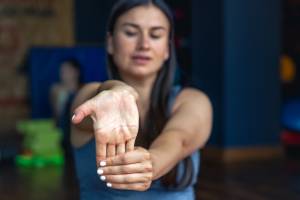
- Median Nerve Glide: Extend your arm to the side, with palm facing up. Slowly bend your wrist downward and then upward, feeling a gentle stretch along your arm. Repeat several times on each side.
- Sciatic Nerve Flossing: Sit on a chair with one leg extended. Flex your foot and gently lean forward, keeping your back straight. This exercise can help alleviate tension along the sciatic nerve pathway.
- Ulnar Nerve Stretch: Hold your arm out to the side with your palm facing up. Gently bend your elbow and bring your hand towards your shoulder, feeling a stretch along the inner arm. Repeat on both sides.
Perform these exercises regularly to maintain optimal nerve mobility. Consistency is key, and integrating these movements into your daily routine can provide significant benefits over time.
The Impact of Lifestyle Choices on Nerve Mobility
Your lifestyle choices significantly affect nerve mobility. Sedentary habits, poor posture, and unhealthy dietary practices can all contribute to nerve restrictions. By making conscious decisions to lead a healthier lifestyle, you can support your nerve health and overall well-being.
Engaging in regular physical activity is crucial for maintaining nerve mobility. Exercise promotes circulation, flexibility, and strength, all of which are essential for healthy nerve function. Aim for a balanced mix of cardiovascular, strength, and flexibility exercises to keep your body in optimal condition.
Additionally, nutrition plays a vital role in nerve health. Consuming a diet rich in vitamins, minerals, and antioxidants supports nerve function and reduces inflammation. Foods high in omega-3 fatty acids, B vitamins, and antioxidants can be particularly beneficial for maintaining healthy nerves.

Integrating Nerve Mobility into Your Wellness Routine
Integrating nerve mobility into your wellness routine can be a transformative step towards achieving better health. Start by setting aside time each day for nerve mobility exercises and stretches. Consistency will yield the best results, helping you to see improvements in flexibility, pain reduction, and overall function.
Consider incorporating mindfulness practices such as yoga or meditation to complement your nerve mobility routine. These activities promote relaxation, reduce stress, and enhance body awareness, all of which contribute to better nerve health. By combining physical and mental wellness practices, you create a holistic approach to maintaining optimal health.
Regular check-ins with healthcare professionals can also support your efforts to enhance nerve mobility. By receiving personalized guidance and monitoring your progress, you can ensure that you are on the right track and make adjustments as needed to achieve your health goals.
Conclusion: Embracing Nerve Mobility for a Healthier Life
Embracing the concept of nerve mobility can lead to significant improvements in your overall health and quality of life. By understanding its importance and taking proactive steps to maintain or enhance it, you can prevent a range of health issues and enjoy a more active, pain-free lifestyle.
Incorporating nerve mobility exercises, making healthy lifestyle choices, and seeking professional guidance are all integral components of a comprehensive wellness strategy. By prioritizing nerve health, you empower yourself to achieve better physical and mental well-being.