


Electrotherapy is an innovative treatment modality that has been embraced by many health professionals to manage pain, stimulate muscle function, and promote healing. This therapy involves the application of electrical energy to the body, aiming to reduce discomfort and enhance physiological processes. As the understanding and technology surrounding electrotherapy have evolved, so too have its applications, which now range from rehabilitation to chronic pain management.
The history of electrotherapy dates back to ancient times when electric eels were used for pain relief. Over the centuries, experts have refined and modernized the approach, developing sophisticated devices that offer targeted treatment options. Despite its long-standing presence in medical care, electrotherapy remains shrouded in mystery and skepticism, often due to misconceptions about its efficacy and safety.
Understanding the principles and benefits of electrotherapy can empower you to make informed decisions about your health care options. By delving into the science behind this treatment, you can discern fact from fiction and appreciate the valuable role it plays in contemporary medicine.
Common Myths About Electrotherapy
Electrotherapy, like many medical interventions, is subject to various myths and misunderstandings, often fueled by a lack of information or outdated knowledge. One prevalent myth is that electrotherapy is painful or uncomfortable. In reality, most patients report a mild tingling sensation, which is not only tolerable but often soothing. The treatment is carefully calibrated to ensure comfort while achieving therapeutic goals.
Another common misconception is that electrotherapy poses significant health risks. Some individuals fear that the electrical currents used in these treatments could lead to adverse effects. However, electrotherapy devices are rigorously tested for safety, and the procedures are administered by trained professionals, including a qualified chiropractor in Islamabad when appropriate, who adhere to strict protocols to mitigate any potential risks.
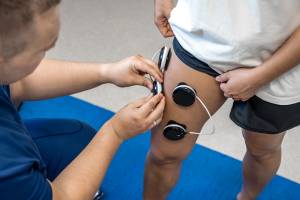
It’s also frequently believed that electrotherapy is only suitable for specific conditions, such as muscle injuries. While it is indeed effective for these issues, its applications are far broader. Electrotherapy can aid in treating a variety of conditions, including arthritis, nerve pain, and even certain circulatory disorders. By dispelling these myths, you can better appreciate the versatility and effectiveness of this therapeutic approach.
The Science Behind Electrotherapy
Understanding the science behind electrotherapy can demystify its mechanisms and validate its effectiveness. At its core, electrotherapy involves the use of electrical impulses to stimulate nerves and muscles, which can promote pain relief and improve muscle function. These impulses can enhance blood flow, reduce inflammation, and facilitate the healing process.
The primary mechanism by which electrotherapy operates is through neuromodulation, which alters the way nerves transmit signals to the brain. By modifying these signals, electrotherapy can reduce the perception of pain, providing relief without the need for medication. It is often combined with neurodynamic techniques to improve nerve mobility and function, making it particularly beneficial for individuals who are sensitive to or wish to avoid pharmacological treatments.
Scientific studies have demonstrated the efficacy of electrotherapy in various clinical settings. Research has shown that regular electrotherapy sessions can lead to significant improvements in pain management and functional mobility. As more evidence emerges, the medical community continues to refine and expand the applications of electrotherapy, solidifying its place as a valuable tool in the therapeutic arsenal.
Benefits of Electrotherapy Treatments
Electrotherapy offers a multitude of benefits that can enhance your well-being and quality of life. One of the most significant advantages is its ability to provide non-invasive pain relief. Unlike surgical interventions or pharmaceutical treatments, electrotherapy does not involve incisions or the risk of drug-related side effects, making it a safer alternative for many patients.
Another benefit of electrotherapy is its capacity to accelerate the healing process. By improving circulation and reducing inflammation, electrotherapy can support the body’s natural healing mechanisms. This is particularly useful for individuals recovering from injuries or surgery, as it can facilitate quicker rehabilitation and reduce downtime.
Additionally, electrotherapy can improve muscle strength and flexibility. Through targeted stimulation, it can help rebuild muscle function in patients with neuromuscular disorders or those who have experienced muscle atrophy due to prolonged inactivity. This makes it a valuable tool in physical therapy and rehabilitation programs, aiding in the restoration of mobility and independence.
Different Types of Electrotherapy
The field of electrotherapy encompasses a variety of techniques, each tailored to address specific therapeutic needs. One of the most common types is Transcutaneous Electrical Nerve Stimulation (TENS), which is widely used for pain management. TENS devices deliver low-voltage electrical currents to the skin, which can help alleviate pain by interrupting nerve signals and promoting the release of endorphins.
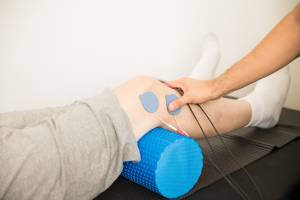
Another popular form of electrotherapy is Electrical Muscle Stimulation (EMS), which targets muscle contraction and strengthening. EMS is frequently used in sports medicine and physical therapy to enhance muscle performance and support rehabilitation. It works by sending electrical impulses directly to the muscles, encouraging them to contract and relax as they would during exercise.
Iontophoresis is another technique that involves the application of a mild electrical current to deliver medication through the skin. This method is often used to treat hyperhidrosis (excessive sweating) and to administer anti-inflammatory drugs directly to affected areas. Each type of electrotherapy offers distinct benefits, allowing practitioners to customize treatment plans according to individual needs.
Who Can Benefit from Electrotherapy?
Electrotherapy can be a valuable treatment option for a wide range of individuals, from athletes to those managing chronic conditions. Athletes often use electrotherapy to enhance performance, recover from injuries, and maintain muscle strength during periods of rest or rehabilitation. The ability to target specific muscle groups allows for precise intervention, promoting quicker recovery and improved athletic performance.
Chronic pain sufferers, such as those with arthritis or fibromyalgia, can also find relief through electrotherapy. By modulating pain signals and reducing inflammation, electrotherapy can significantly improve quality of life for individuals dealing with persistent pain. This non-invasive approach can be particularly appealing for those who have not found success with traditional pain management techniques.

Electrotherapy is also beneficial for individuals undergoing physical rehabilitation. Whether recovering from surgery, injury, or neurological conditions, patients can experience improved mobility and strength. By incorporating electrotherapy into a comprehensive treatment plan, healthcare providers can facilitate faster recovery and enhance overall outcomes for their patients.
Safety and Side Effects of Electrotherapy
Safety is a paramount concern when considering any medical treatment, and electrotherapy is no exception. Fortunately, electrotherapy is generally regarded as a safe and well-tolerated option when administered by qualified professionals. The risk of adverse effects is minimal, particularly when compared to more invasive procedures or long-term medication use.
Common side effects are typically mild and may include skin irritation or temporary discomfort at the site of electrode placement. These effects are usually transient and can be managed by adjusting the settings or electrode placement. It is essential for practitioners to conduct thorough assessments and tailor the treatment to each patient’s specific needs to minimize any potential risks.
Certain individuals, such as those with pacemakers, epilepsy, or heart conditions, should exercise caution and consult with their healthcare provider before undergoing electrotherapy. By ensuring that the treatment is appropriate for your individual health status, you can safely reap the benefits of this innovative therapy.
Debunking the Cost Myths of Electrotherapy
Cost is often a concern for individuals considering new treatments, and electrotherapy is no different. A common myth is that electrotherapy is prohibitively expensive, deterring many from exploring this option. However, when weighed against the cost of ongoing medication, surgery, or extended physical therapy, electrotherapy can be a cost-effective solution for many patients.
Many insurance plans cover electrotherapy, particularly when prescribed by a healthcare professional as part of a comprehensive treatment plan. This can significantly reduce out-of-pocket expenses and make electrotherapy an accessible option for those seeking alternative pain management or rehabilitation solutions.
Moreover, the long-term benefits of electrotherapy, such as reduced pain, improved mobility, and enhanced quality of life, can contribute to overall cost savings. By investing in electrotherapy, you may experience fewer medical visits, reduced reliance on medications, and quicker recovery times, ultimately lowering healthcare costs over time.
Conclusion: Understanding Electrotherapy
Electrotherapy is a versatile and effective treatment option that has been successfully integrated into various medical disciplines. By debunking common myths and understanding the science behind this therapy, you can make informed decisions about your health care options. With its wide range of applications and proven benefits, electrotherapy offers a promising alternative for pain management and rehabilitation.
As you consider electrotherapy as part of your treatment plan, it is important to consult with a qualified healthcare provider who can customize the approach to your specific needs. By doing so, you can ensure that you receive the maximum benefits from this innovative therapy. If you’re ready to explore how electrotherapy can enhance your health and well-being, reach out to a professional today for a personalized consultation.