


Manual therapy is a hands-on technique used by skilled practitioners to alleviate pain, restore function, and enhance mobility. This therapeutic approach involves the manipulation of muscles, joints, and soft tissues, playing a crucial role in improving physical performance. By directly engaging with the body’s musculoskeletal system, manual therapy helps correct imbalances and restrictions that could hinder movement and athletic prowess. In the context of mobility restoration, manual therapy is indispensable for athletes. Whether recovering from an injury or preventing one, the application of manual techniques can significantly enhance an athlete’s range of motion. It addresses issues like muscle tightness, joint stiffness, and postural imbalances, which, if left untreated, could lead to decreased performance or long-term damage.
The holistic nature of manual therapy also means it doesn’t solely focus on the symptomatic areas but considers the body as a whole. This comprehensive approach ensures that athletes receive tailored treatment plans, targeting specific needs and fostering overall well-being. As you delve deeper into the world of athletics, understanding manual therapy’s role in mobility restoration becomes increasingly important.
The Importance of Mobility in Athletic Performance
Mobility is a foundational element of athletic performance, influencing everything from speed to agility. It refers to the ability to move freely and efficiently, combining flexibility, strength, and control. Without adequate mobility, athletes may struggle to execute movements correctly, leading to suboptimal performance and heightened injury risk.
For instance, consider a sprinter who lacks ankle or hip mobility. The inability to achieve full range of motion could lead to inefficient running mechanics, slower times, and increased strain on the muscles. Similarly, a weightlifter with restricted shoulder mobility might experience difficulty in achieving proper overhead positions, jeopardizing both form and safety, and in some cases may also need toe bunion treatment to address foot alignment issues that affect overall performance.
Enhanced mobility allows athletes to perform at their peak by maximizing power and efficiency. It also contributes to quicker recovery times and reduces the likelihood of overuse injuries. By prioritizing mobility in your training regimen, you can ensure that your body is primed for optimal performance across various sports disciplines.

How Manual Therapy Enhances Mobility
Manual therapy plays a pivotal role in enhancing mobility by directly addressing the underlying restrictions that impede movement. Through techniques like joint manipulation, soft tissue mobilization, and myofascial release, therapists can improve joint function and muscle flexibility, leading to increased range of motion.
One of the primary benefits of manual therapy is its ability to break down adhesions and scar tissue that may have formed due to injury or repetitive strain. By doing so, it restores tissue elasticity and joint fluidity, allowing for smoother and more effective movements. This is particularly beneficial for athletes who routinely push their bodies to the limits.
Furthermore, orthopedic manual therapy aids in correcting postural imbalances and alignment issues that can often contribute to restricted mobility. By realigning the body and promoting proper biomechanics, it reduces undue stress on the joints and muscles. This holistic approach not only enhances mobility but also supports long-term athletic performance and injury prevention.
Common Manual Therapy Techniques for Athletes
Athletes can benefit from a variety of manual therapy techniques, each tailored to address specific needs and conditions. Here are some common methods:
- Joint Mobilization and Manipulation: These techniques involve applying controlled pressure and movement to joints to improve their function and range of motion. They are particularly effective for addressing joint stiffness and pain.
- Myofascial Release: This technique targets the fascia, a connective tissue surrounding muscles. By applying sustained pressure, therapists can release tension and improve flexibility.
- Trigger Point Therapy: This focuses on releasing tight knots within muscles that may cause pain or restrict movement. It often involves applying direct pressure to the trigger points.
- Soft Tissue Mobilization: This involves various methods to stretch and mobilize soft tissues, enhancing blood flow and reducing tension. Techniques such as kneading and cross-fiber friction are commonly used.
Each technique is chosen based on the athlete’s specific condition and goals. An effective manual therapy session can lead to immediate improvements in mobility and a reduction in pain, facilitating better athletic performance and recovery.
The Science Behind Manual Therapy and Mobility
The effectiveness of manual therapy in enhancing mobility is supported by scientific research. Studies have shown that manual therapy can lead to significant improvements in joint range of motion, muscle flexibility, and pain reduction. The underlying mechanisms involve both mechanical and neurological processes.
From a mechanical perspective, manual therapy directly influences the physical properties of tissues. Techniques such as stretching and compression alter tissue viscoelasticity, promoting elongation and reducing stiffness. This mechanical input helps in breaking down adhesions and enhancing tissue pliability.
Neurologically, manual therapy stimulates proprioceptors and mechanoreceptors in the muscles and joints. This stimulation can lead to a reduction in pain perception and an increase in motor control, both of which are crucial for optimal mobility. Additionally, manual therapy can elicit a relaxation response, reducing muscle tension and promoting overall well-being.
Understanding these scientific principles allows you to appreciate how manual therapy can be a powerful tool in restoring and enhancing mobility, ultimately contributing to improved athletic performance.
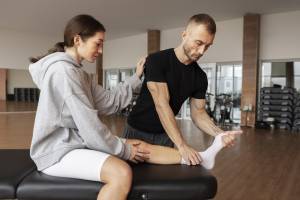
Benefits of Incorporating Manual Therapy into Training Regimens
Integrating manual therapy into your training regimen can yield numerous benefits, enhancing both performance and recovery. Here are some key advantages:
- Injury Prevention: Regular manual therapy sessions can identify and address minor issues before they develop into significant injuries. By maintaining optimal tissue health and joint function, you reduce the risk of overuse injuries.
- Enhanced Recovery: Manual therapy promotes circulation and reduces muscle tension, facilitating faster recovery after intense training sessions or competitions. This allows you to train more consistently and effectively.
- Improved Performance: By optimizing mobility and reducing pain, manual therapy enables athletes to perform movements with greater efficiency and power. This can lead to improved times, lifts, or scores, depending on your sport.
- Holistic Approach: Manual therapy considers the body as a whole, ensuring that all systems are functioning harmoniously. This comprehensive approach supports overall health and well-being, contributing to long-term athletic success.
Incorporating manual therapy into your training routine can provide a competitive edge, allowing you to reach your full athletic potential while minimizing the risk of setbacks.
Manual Therapy vs. Traditional Physical Therapy: A Comparison
While both manual therapy and traditional physical therapy aim to restore function and alleviate pain, they differ in their approaches and techniques. Understanding these distinctions can help you make informed decisions about your treatment options.
Manual Therapy:
- Focuses on hands-on techniques, including joint manipulation, soft tissue mobilization, and myofascial release.
- Emphasizes direct physical interaction to address musculoskeletal issues and enhance mobility.
- Often used as a complementary approach to traditional physical therapy, providing targeted treatment for specific conditions.
Traditional Physical Therapy:
- Involves a broader range of interventions, including exercises, modalities (like ultrasound or electrical stimulation), and education.
- Typically focuses on rehabilitation and strengthening exercises to restore function and prevent injury.
- May incorporate manual therapy techniques but is not limited to them.
Choosing between manual therapy and traditional physical therapy depends on your specific needs, goals, and the nature of your condition. In many cases, a combination of both approaches can be the most effective strategy for achieving optimal results.
Finding the Right Manual Therapist for Athletes
Selecting the right manual therapist is crucial for achieving the best outcomes in mobility restoration and performance enhancement. Here are some tips to guide your decision:
- Qualifications and Credentials: Ensure that the therapist is licensed and has specialized training in manual therapy. Look for certifications from reputable organizations.
- Experience with Athletes: A therapist with experience working with athletes will better understand the demands of your sport and tailor treatment accordingly.
- Communication Skills: Effective communication is essential for understanding your needs and goals. Choose a therapist who listens attentively and explains treatment plans clearly.
- Personalized Approach: Opt for a therapist who provides individualized treatment plans, taking into account your unique circumstances and objectives.
- Testimonials and Reviews: Check reviews or seek recommendations from fellow athletes or coaches to gauge the therapist’s reputation and effectiveness.
By considering these factors, you can find a skilled manual therapist who will support your athletic journey and help you unlock your full potential.
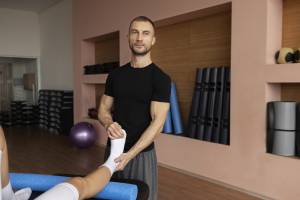
Integration of Manual Therapy in Different Sports
Manual therapy can be effectively integrated into various sports, each with its unique demands and challenges. Here’s how it can be applied across different disciplines:
- Running: For runners, manual therapy can address common issues such as iliotibial band syndrome, plantar fasciitis, and hamstring tightness. Techniques like myofascial release and joint mobilization can enhance stride efficiency and reduce pain.
- Weightlifting: In weightlifting, shoulder and hip mobility are critical. Manual therapy can improve range of motion and prevent injuries like rotator cuff strains or lower back pain, supporting proper lifting techniques.
- Cycling: Cyclists often experience issues like neck and lower back pain due to prolonged periods in a fixed position. Manual therapy can alleviate tension and improve posture, enhancing comfort and performance.
- Team Sports: For athletes in sports like soccer or basketball, manual therapy can help manage acute injuries and maintain optimal mobility for quick directional changes and explosive movements.
Integrating manual therapy into your sport-specific training regimen can lead to improved performance, quicker recovery times, and reduced injury risk, allowing you to excel in your chosen discipline.
Conclusion: The Future of Manual Therapy in Athletic Training
As the demands on athletes continue to increase, the role of manual therapy in athletic training is becoming more prominent. Its ability to enhance mobility, prevent injuries, and optimize performance makes it an invaluable component of modern sports medicine.
Looking ahead, advancements in manual therapy techniques and increased integration with other therapeutic modalities promise even greater benefits for athletes. By embracing these developments and incorporating manual therapy into your training regimen, you can ensure that your body is prepared to meet the challenges of high-level competition.